
Platelet-Rich Plasma (PRP) Therapy
Natural tissue regeneration using your body's platelets.
What is PRP?
PRP Overview
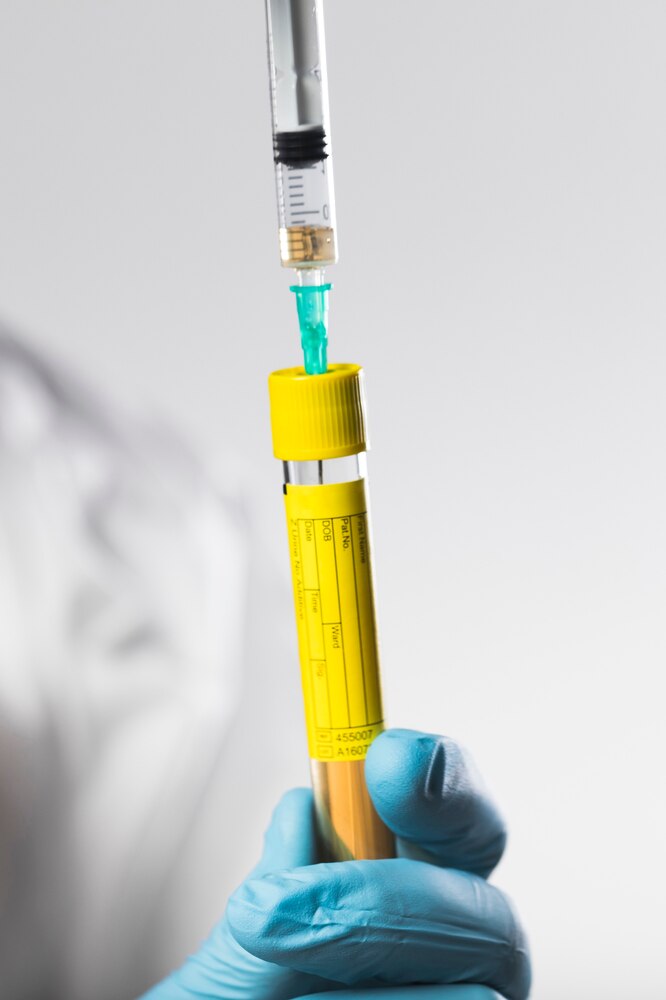
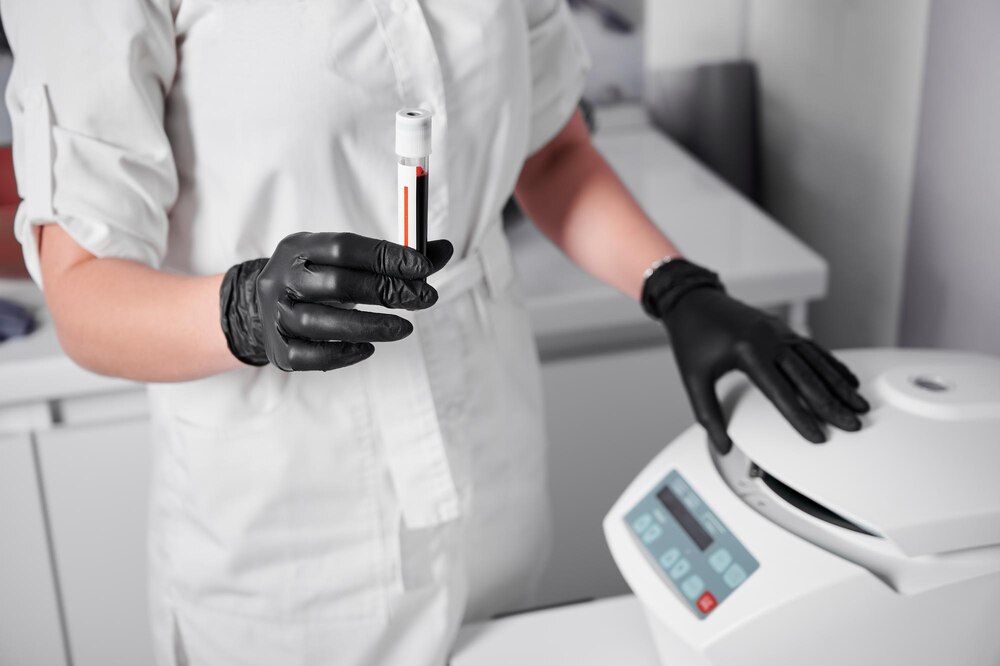
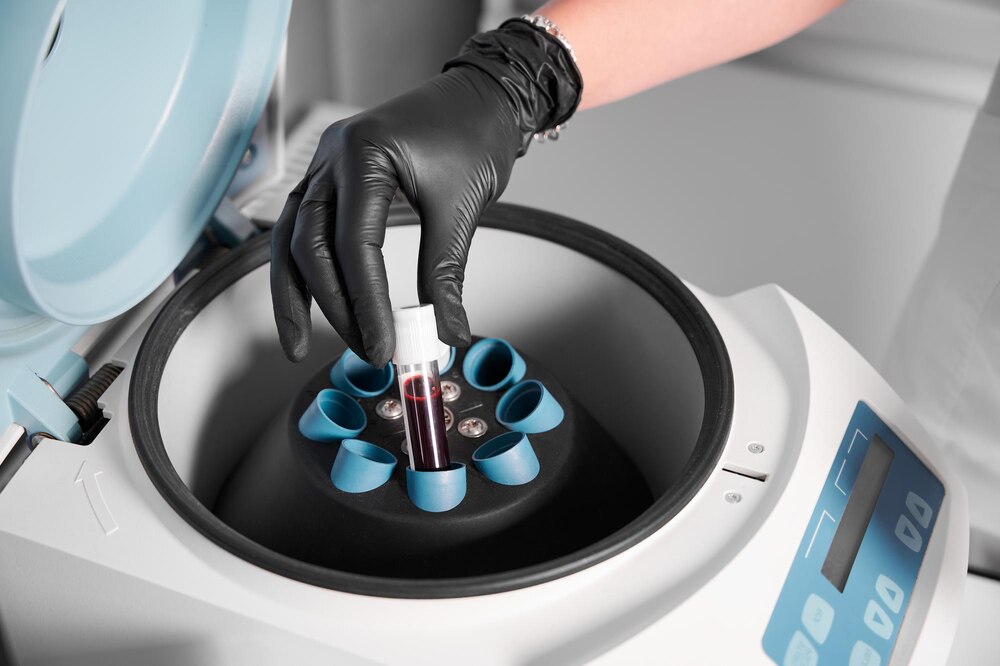
Platelet-rich plasma (PRP) is an autologous concentration of platelets derived from a small sample of the patient's blood. Platelets contain growth factors and signaling proteins that support tissue repair, inflammation modulation, and new blood vessel formation. In clinical practice, PRP is used to enhance healing in tendons, ligaments, joints, and soft tissues. The process is performed in-clinic: blood is drawn, centrifuged to concentrate platelets, and the platelet-rich fraction is injected into the targeted area under sterile conditions. Treatment plans are individualized and may include multiple sessions combined with rehabilitation.
Conditions treated
Common Uses of PRP
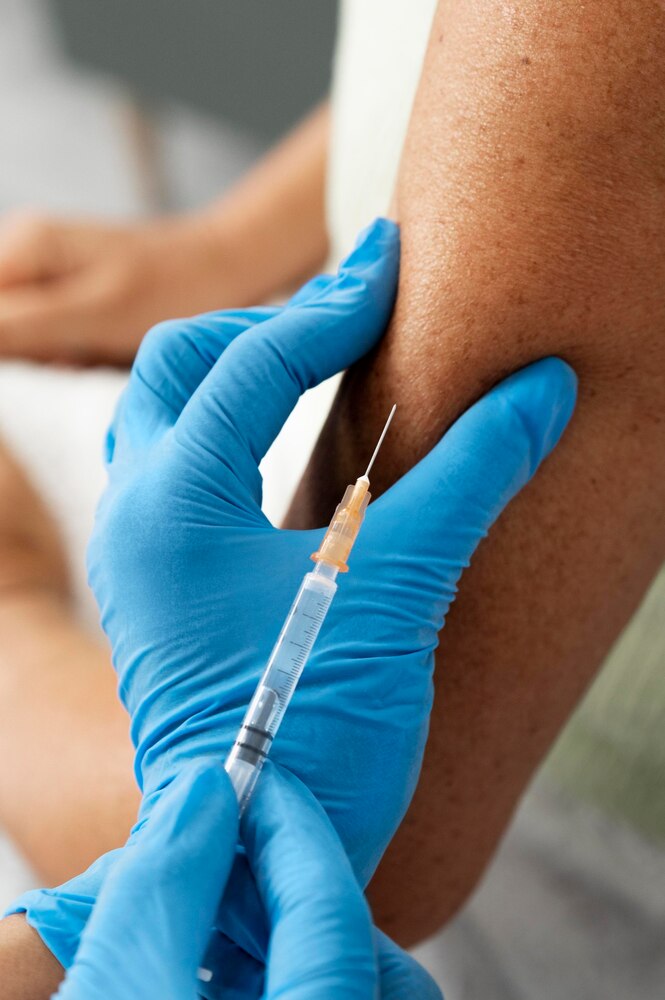
PRP therapy has diverse indications across orthopedics, sports medicine, dermatology, and aesthetics. Common applications include tendon injuries such as tennis elbow and Achilles tendinopathy, osteoarthritis of the knee, acute muscle strains, and chronic joint pain. In dermatology, PRP supports hair restoration and skin rejuvenation, often combined with microneedling. Outcomes vary by condition and patient factors, but many studies report improved pain, function, and tissue quality. Your clinician will evaluate medical history, imaging, and prior treatments to determine whether PRP is an appropriate option and to design a tailored treatment schedule.
Minimally Invasive
Quick outpatient procedure, minimal downtime.
Fast Recovery
Most patients resume activities within days.
Autologous
Uses patient's own blood, reducing rejection risk.
Treatment highlights
How PRP Works
The PRP procedure typically takes 30 to 60 minutes. After drawing a small volume of blood, the sample is processed in a centrifuge to separate and concentrate platelets. The platelet-rich layer is collected and may be activated before injection. Using ultrasound or visual guidance, the clinician injects PRP directly into the injury site or tissue requiring regeneration. Post-procedure, patients may experience mild soreness or swelling that resolves in days. Rehabilitation protocols, activity modification, and follow-up appointments are important to maximize results. Multiple treatments spaced weeks apart are sometimes recommended for chronic conditions.
Concentrated platelets applied locally
Stimulates natural healing response
Targets injured tissues precisely
Reduced infection and rejection risk
Benefits of PRP
Patients seek PRP for several potential benefits: accelerated tissue repair, decreased pain, improved joint function, and reduced reliance on surgery or long-term medications. Because PRP is prepared from a patient's own blood, the risk of allergic reaction is minimal. Clinical evidence varies by indication but is strongest for certain tendon injuries and permissive for early osteoarthritis; ongoing research continues to refine protocols. Ideal candidates are nonsmokers in generally good health who have realistic expectations and are willing to follow post-treatment rehabilitation. A thorough consultation and shared decision-making help determine likely benefits and alternatives.
Accelerates tissue repair
Minimizes surgical need
Uses patient's own cells
Short clinic visits
Safety and Preparation
Preparing for PRP
Do not take NSAIDs for 48–72 hours before treatment; follow specific medication guidance provided during consultation. Bring a list of current medications and any prior imaging. Expect brief local discomfort and mild post-injection soreness. Our team will review risks, benefits, and aftercare to optimize safety and outcomes.
Frequently Asked Questions
Answers to common patient questions about PRP.
How long until I see results?
Improvement often appears within 4–12 weeks; several sessions may be recommended.
Is PRP painful?
Most patients report mild discomfort during injection; topical anesthesia available.
Are there risks?
Risks are low since PRP is autologous; minor bruising or infection possible.
How many treatments are needed?
Typically 1–3 sessions spaced weeks apart, tailored to condition and response.
Is PRP covered by insurance?
Coverage varies; many insurers consider it experimental for some indications.